Sacred Cave
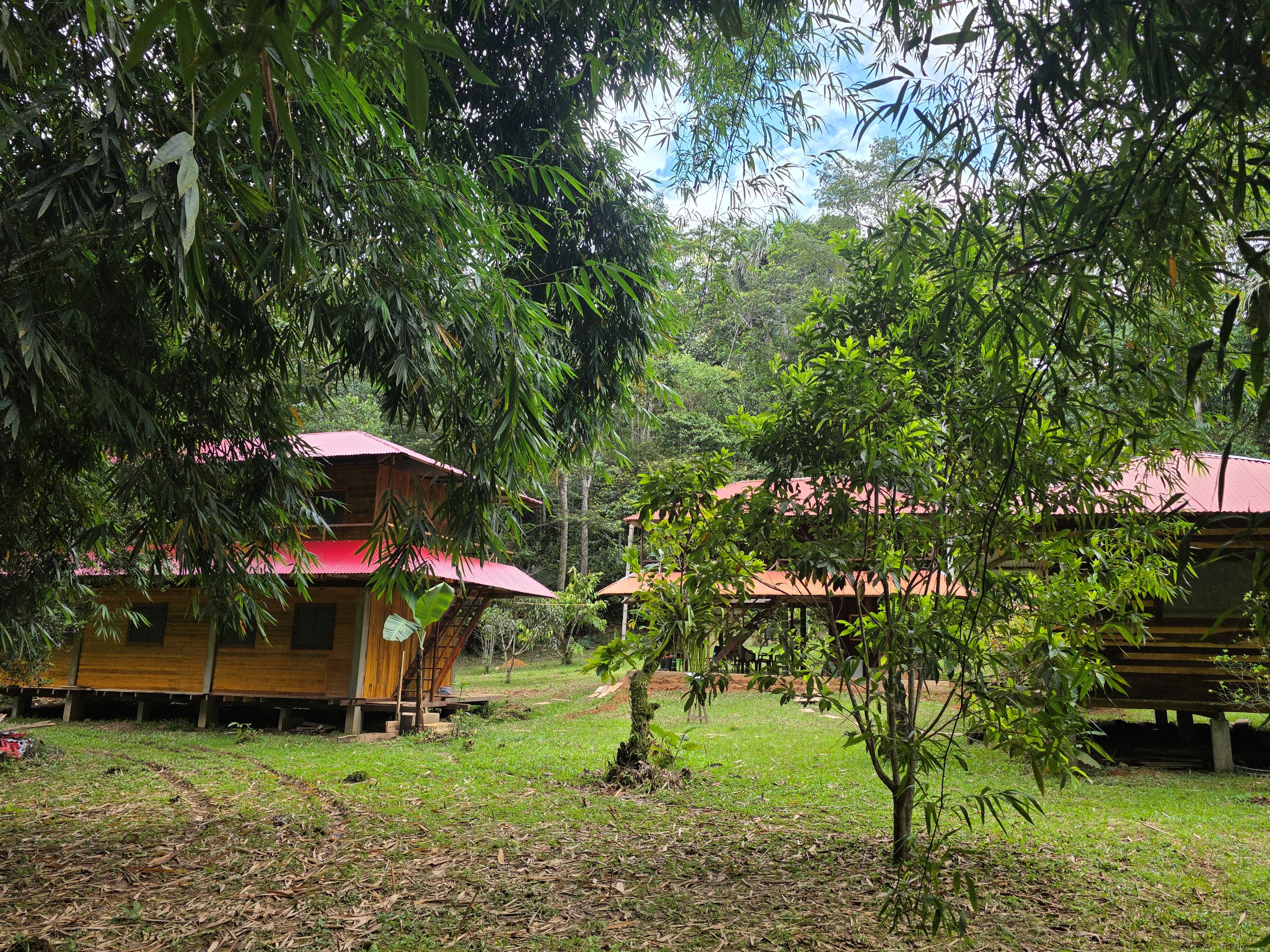
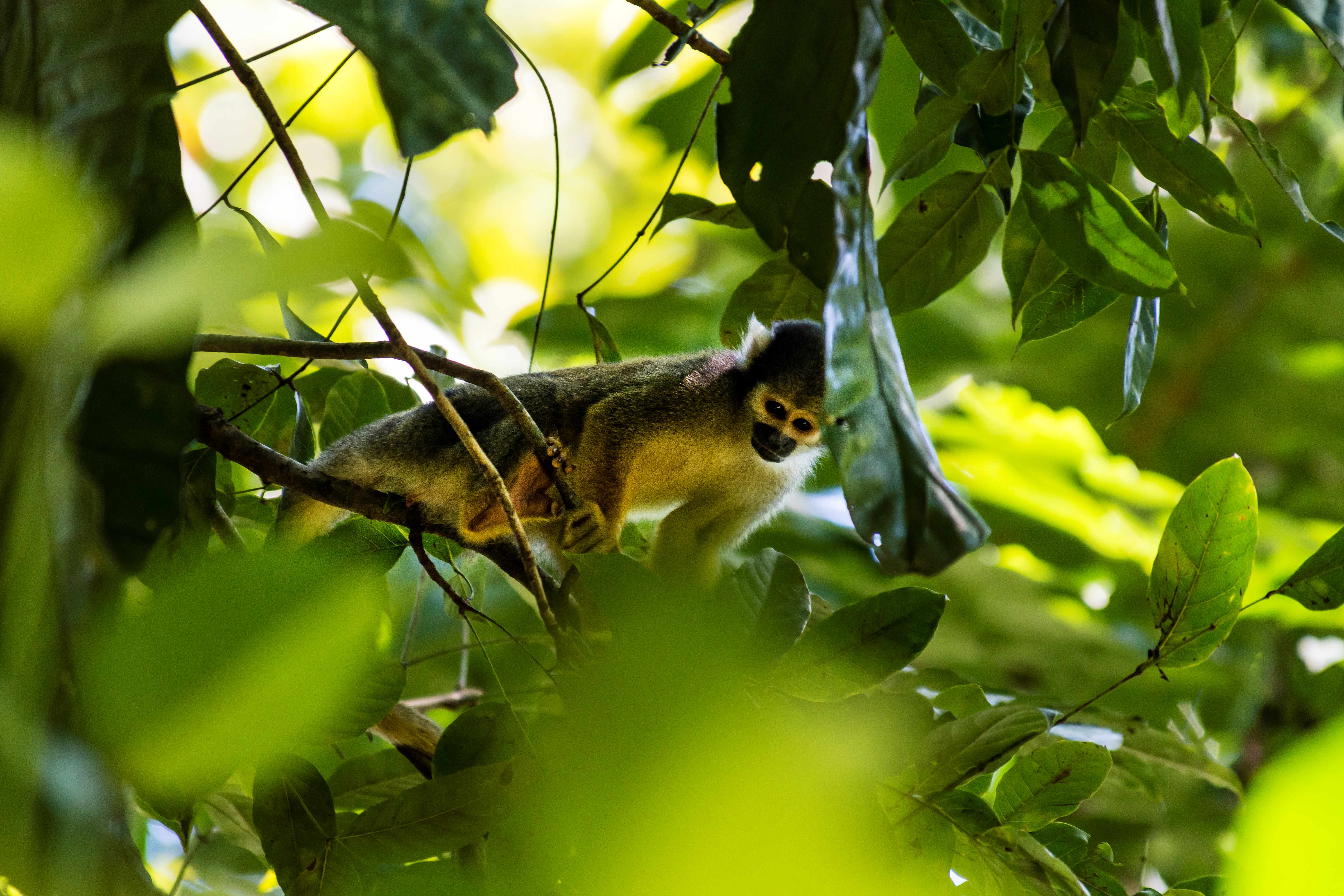
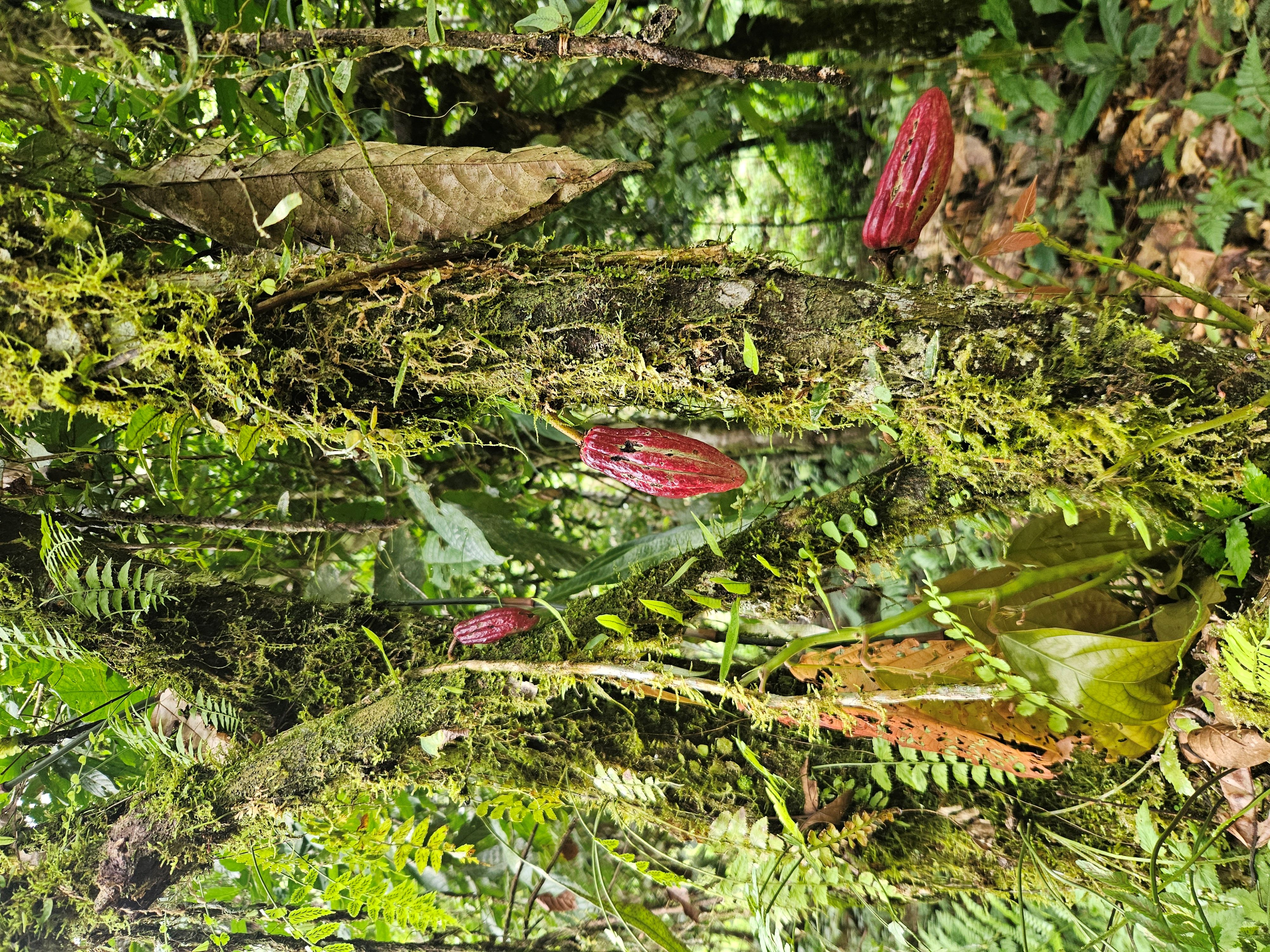
Our center Sacred Cave is located in one of the most beautiful, peaceful, and at the same time safe regions of Peru—in the Tingo María area, often referred to as the “Gateway to the Amazon.” The region is known for its exceptional natural beauty, biodiversity, and deep connection to ancestral traditions.
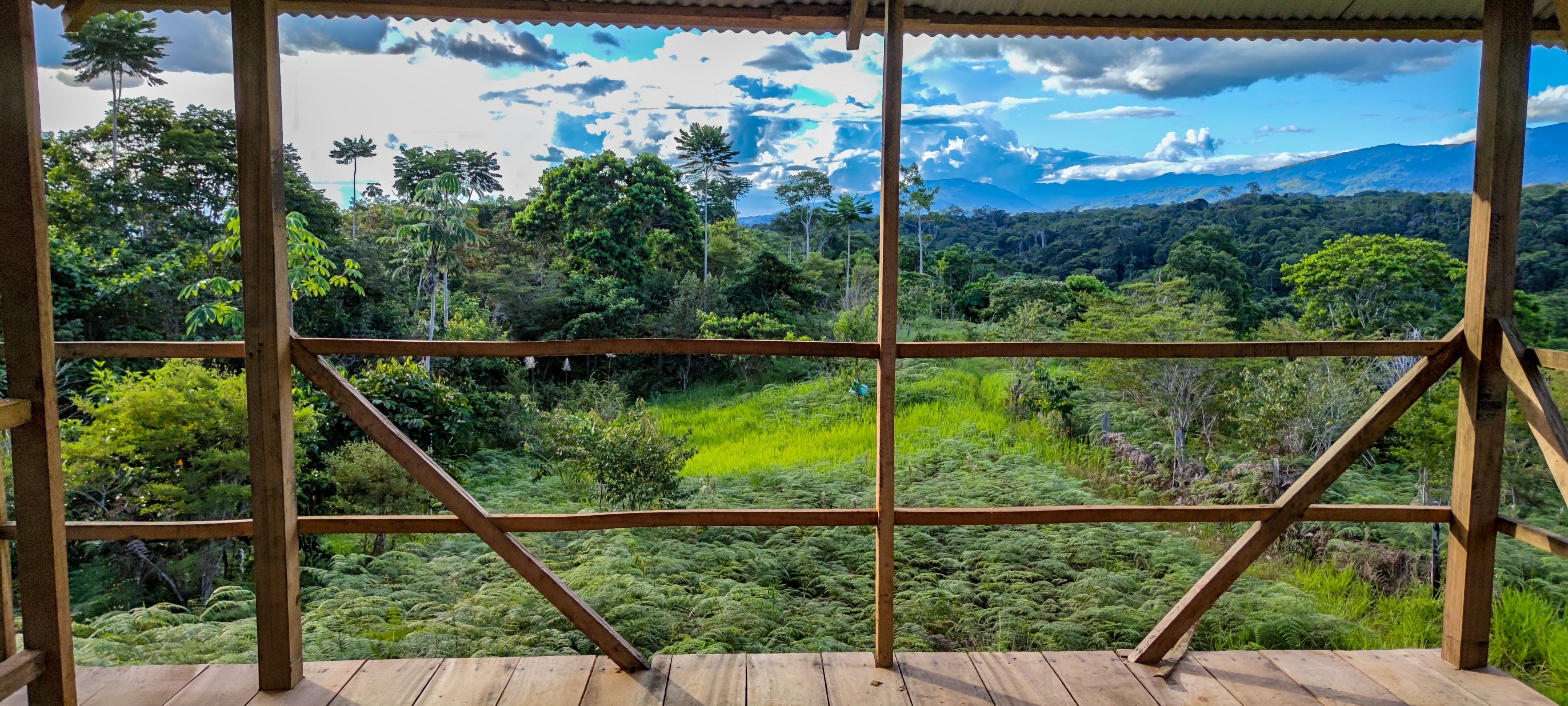
The surrounding landscape is shaped by a network of mountains, forests, caves, springs, and natural lagoons that together create a powerful environment for inner work, silence, and self-exploration.
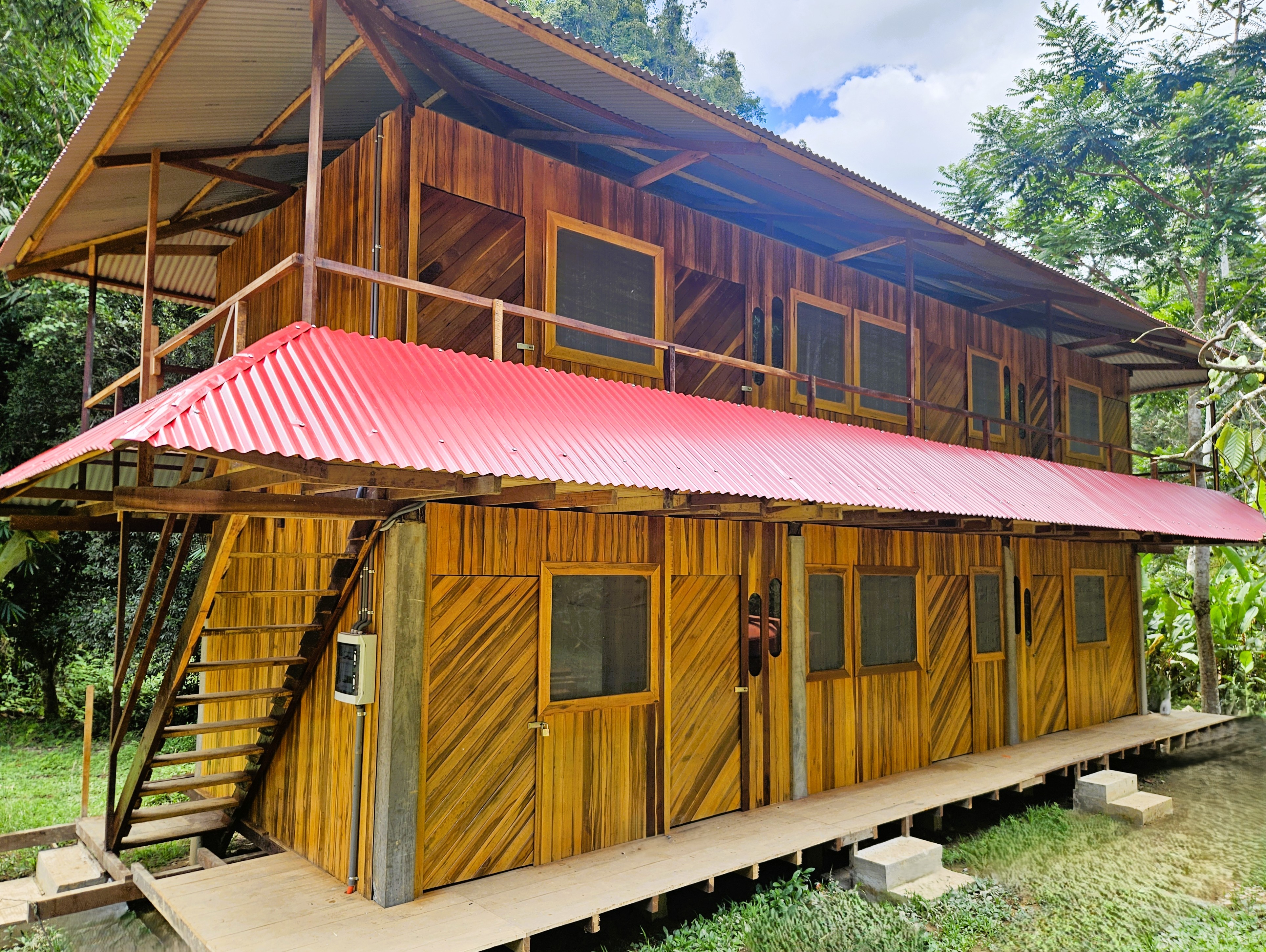
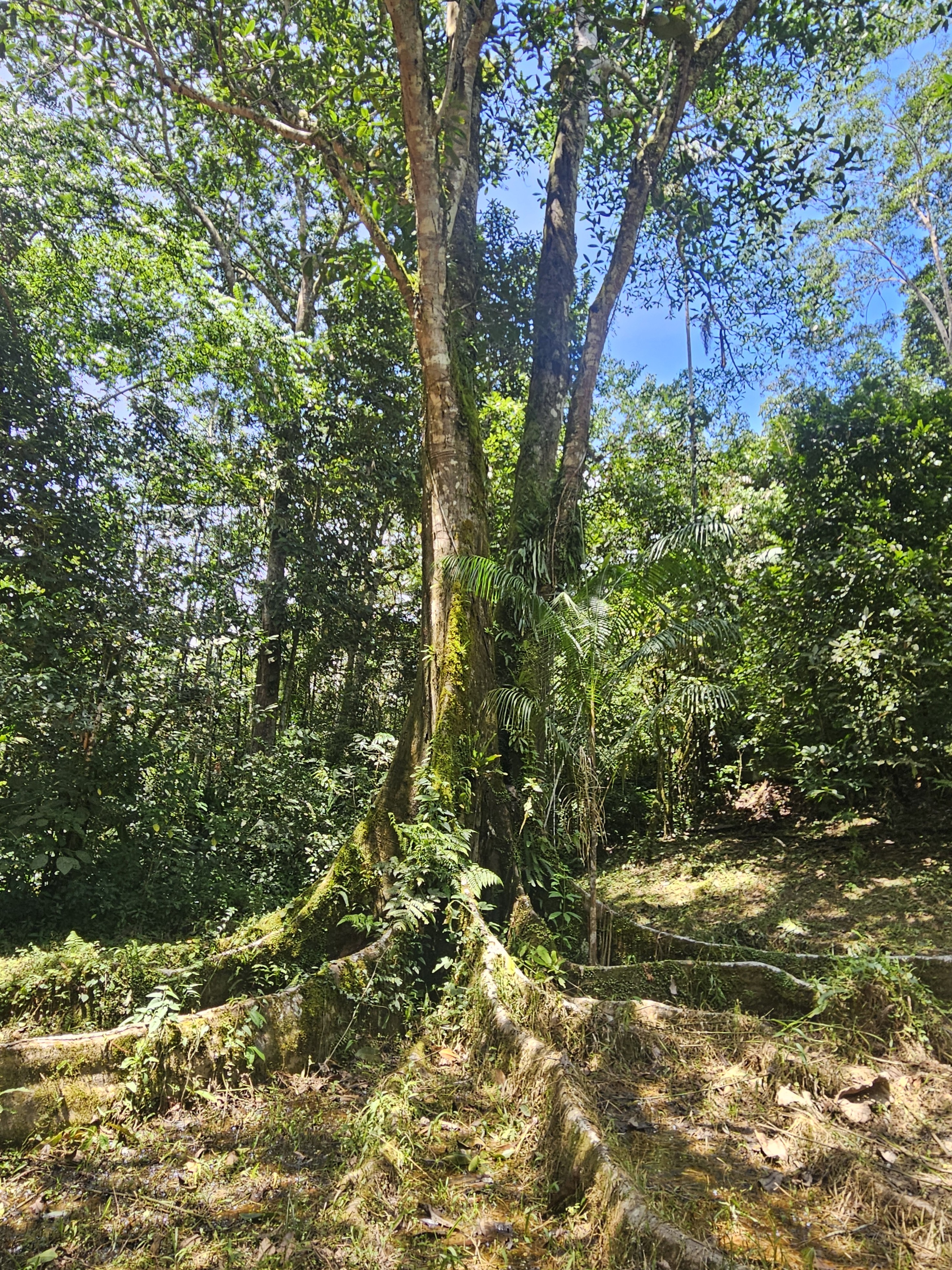
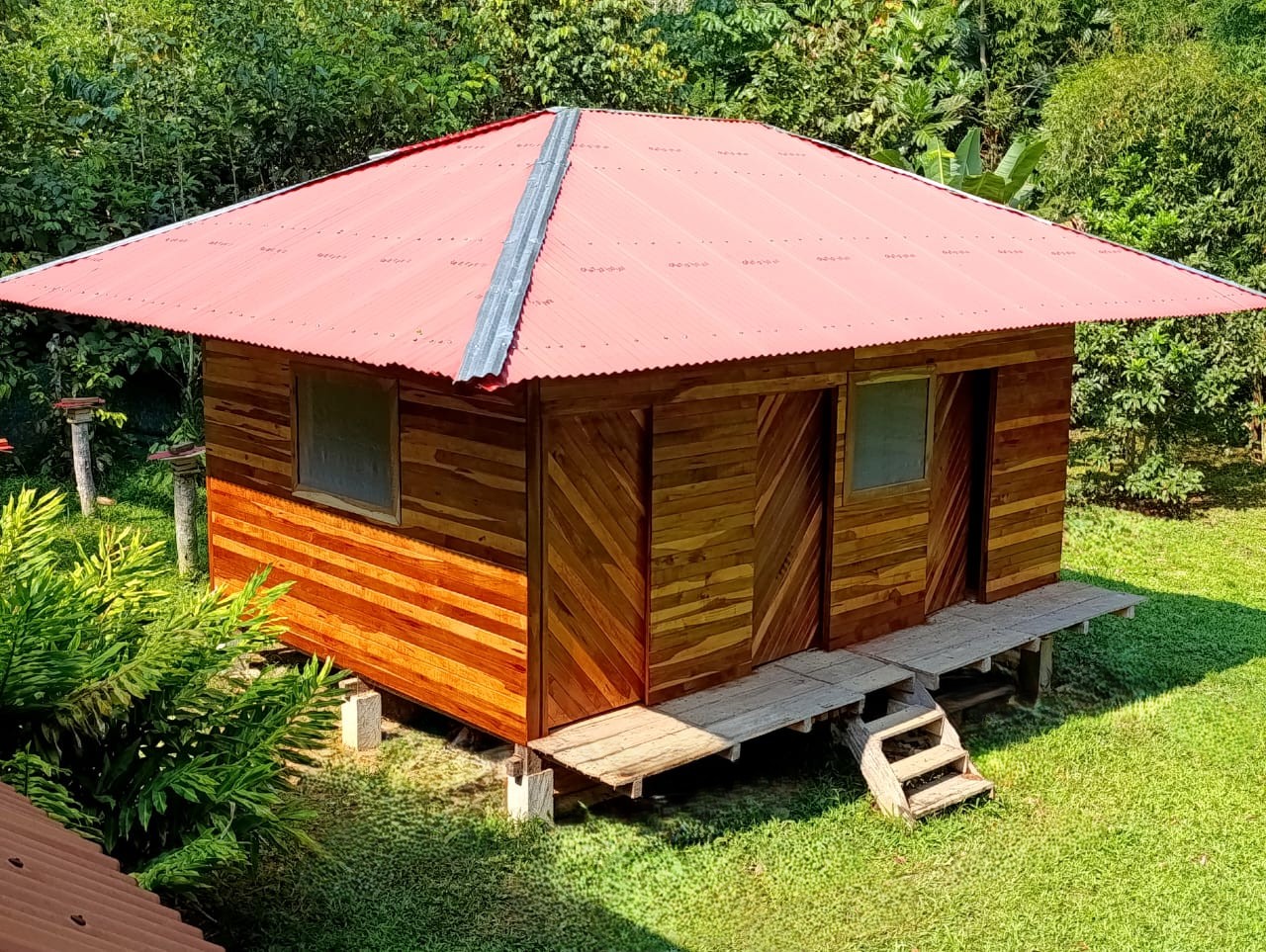
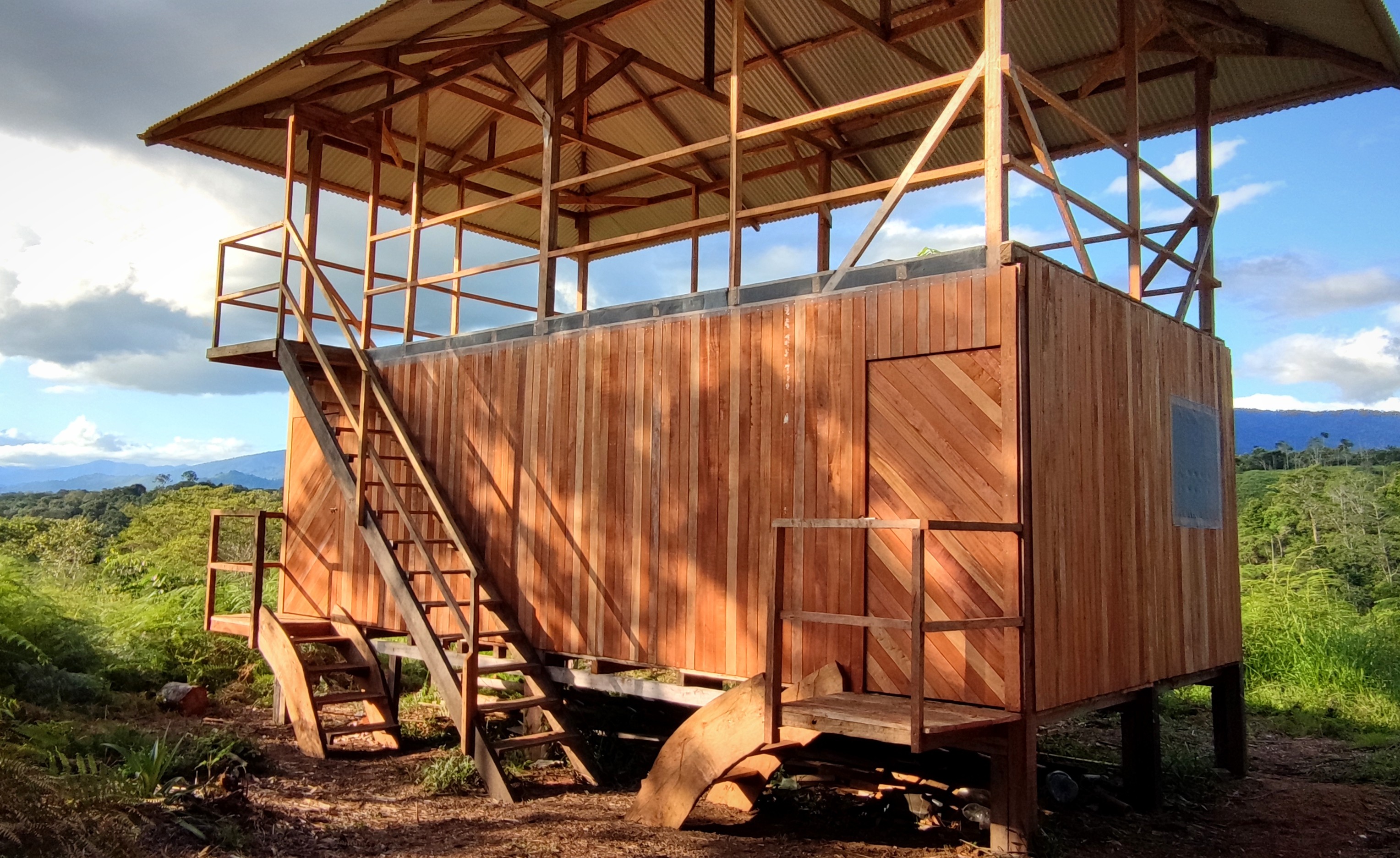
Gallery of the centre


Mount Belén – Guardian of the Amazon
Our center lies beneath Mount Belén, one of the most significant natural landmarks of the area. Its name can be interpreted in Spanish as “place of origin” or “sanctuary”. For generations, it has been regarded by local communities as a symbol of grounding, protection, and natural strength.
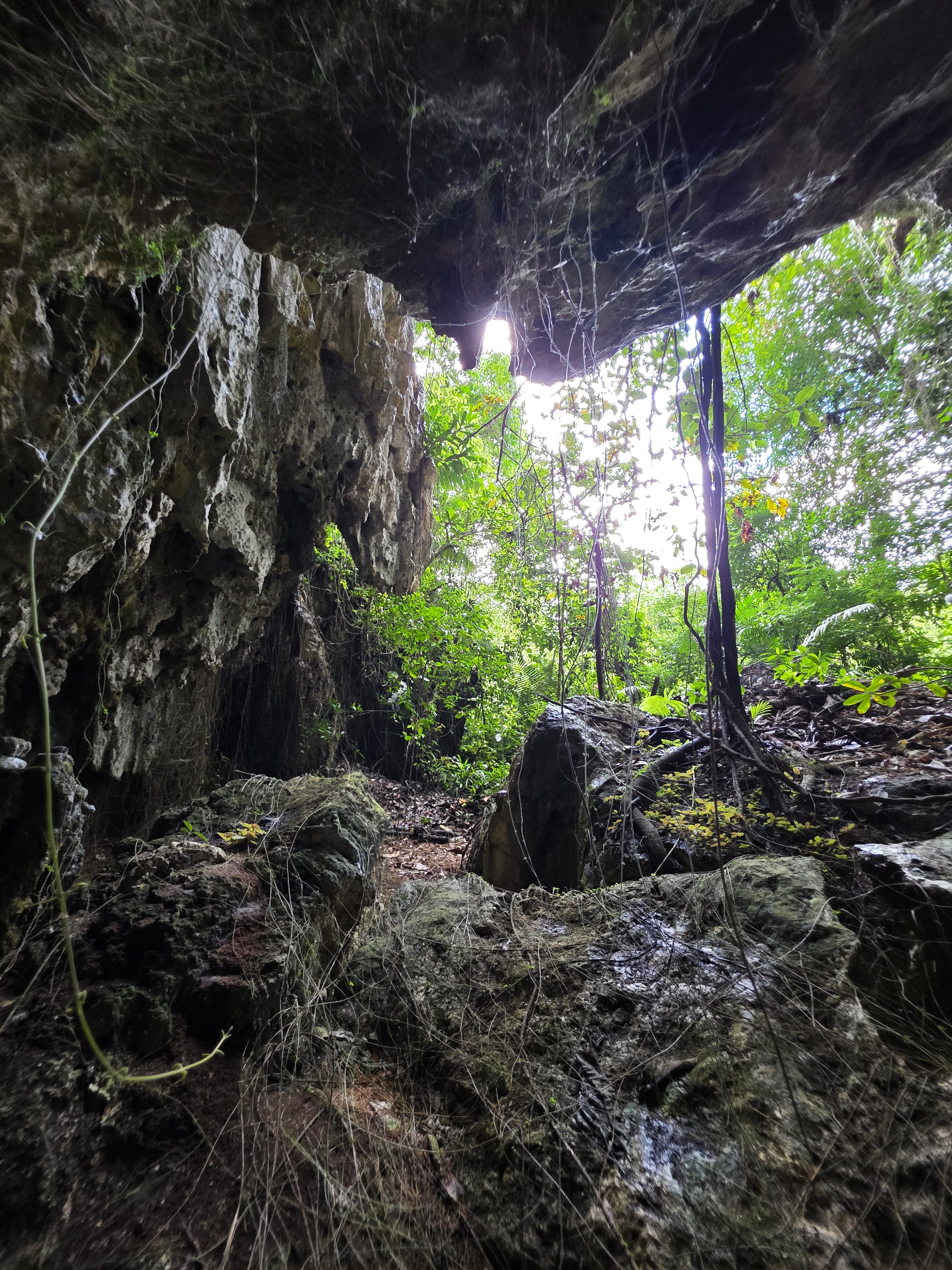
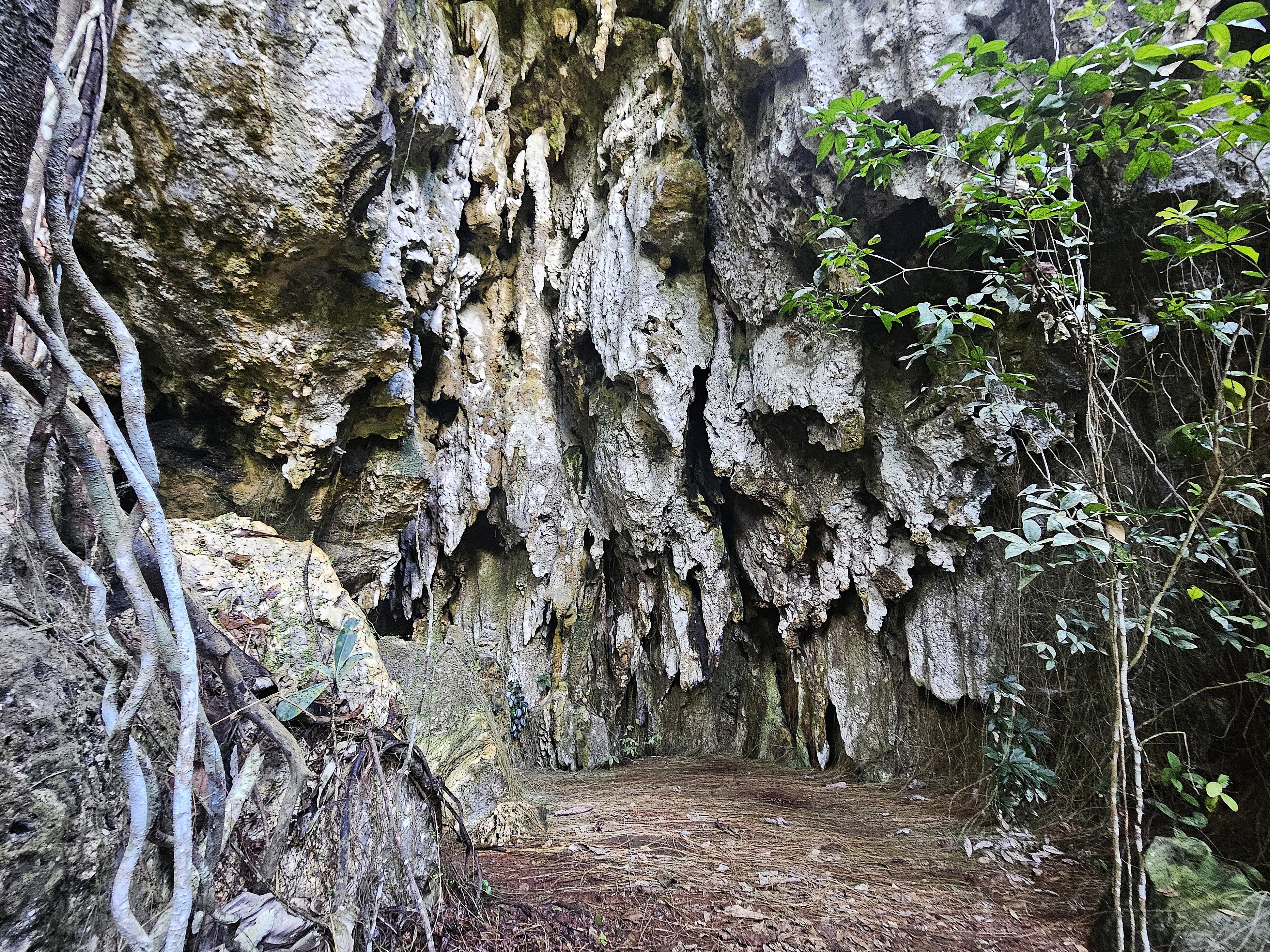
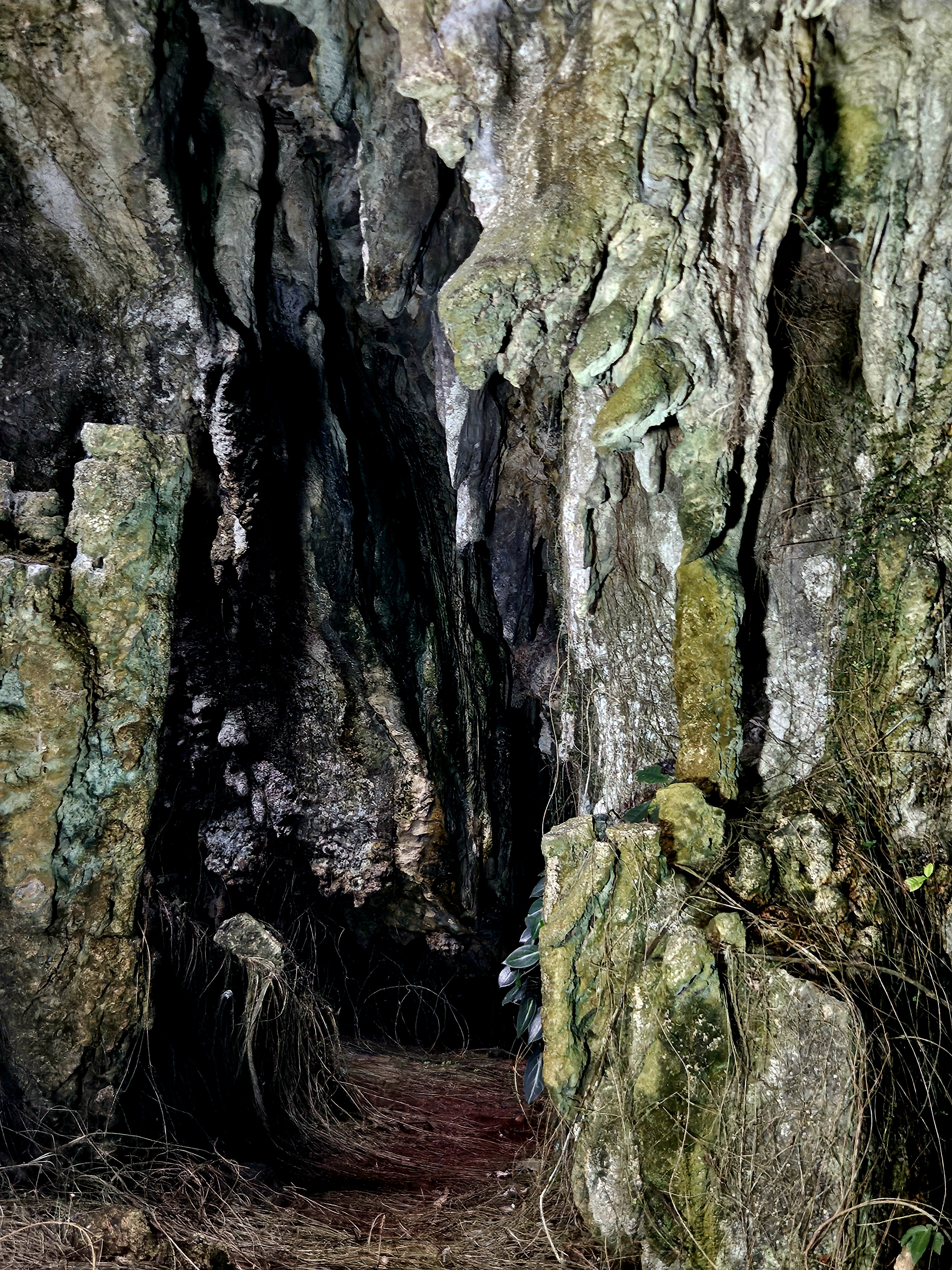
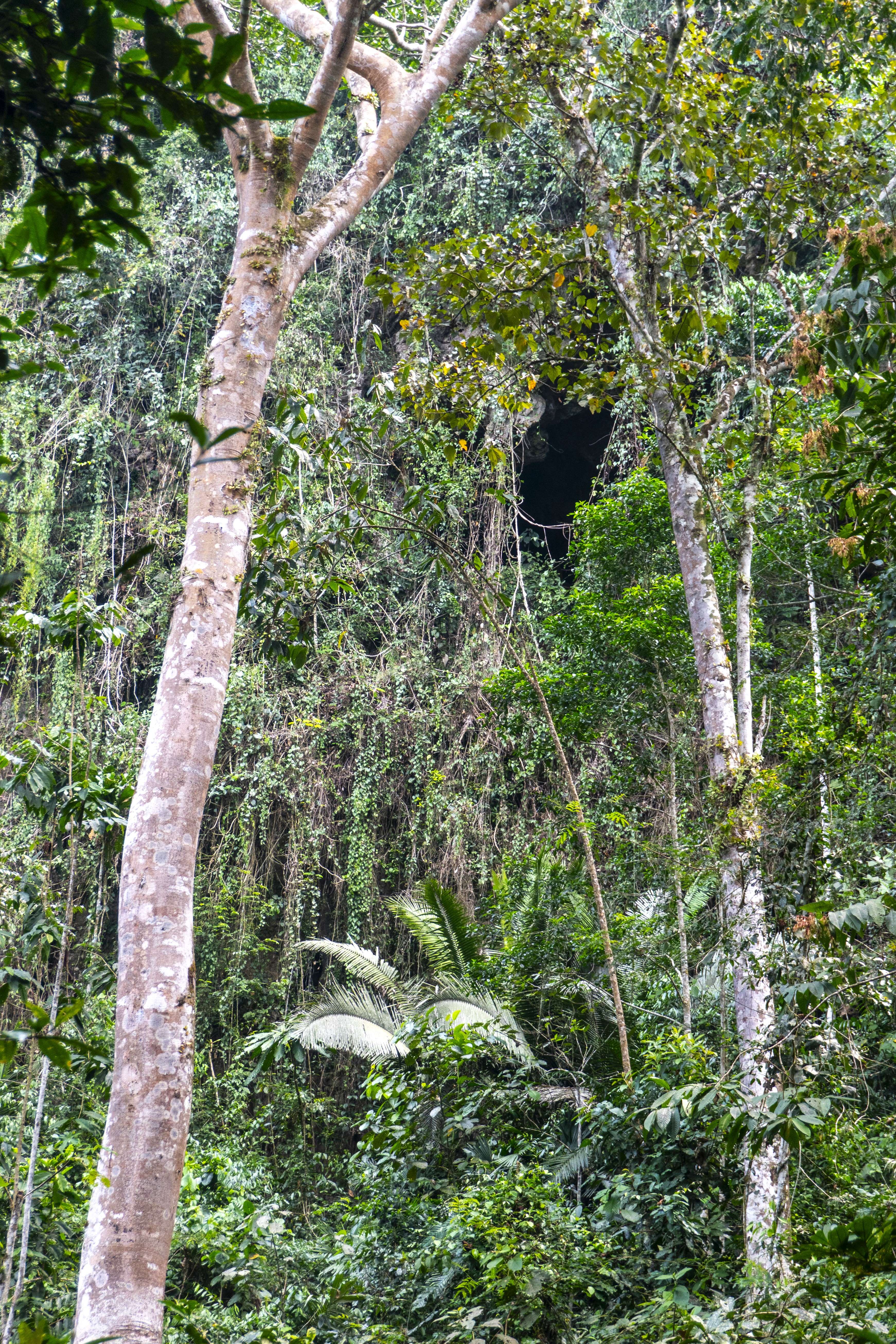
Inside of the mountain lies a complex system of natural caves. Their structure and form resemble a natural labyrinth of the inner world—symbolically mirroring the process participants often undergo during deep inner work.
In some of the caves, traces of earlier human presence and cultural artifacts have been found. Local traditions speak of these places as spaces once used by powerful shamans for ceremonial work. They are said to have served as sanctuaries for healing, self-discovery, protection, and spiritual connection.
Laguna de los Milagros – The Lake of Miracles
Beneath Mount Belén, near our lodge, lie two lagoons. One of them is Laguna de los Milagros, or the “Lake of Miracles.” Its name is associated with numerous local stories describing unexpected recoveries and transformative experiences that are said to have occurred there.
Many locals believe the lagoon is fed by underground springs with restorative qualities. The clear water and stable ecosystem are traditionally associated with supportive effects on healing processes—whether physical, emotional, or psychological.
Lago Místico – Mystic Lake
The second lagoon is Lago Místico, a place imbued with a strong sense of mystery. Encircled by lush vegetation, its surface is often covered by a gentle mist that gives the lake an otherworldly atmosphere. Its appearance changes with the time of day, the season, and even the weather.
Local people believe the lake acts like a mirror, reflecting a person’s inner world. It is regarded as a place that can deeply influence those who visit—encouraging introspection, emotional clarity, and inner calm.
Cordillera Azul
The surrounding landscape of our center opens toward the distant Cordillera Azul—one of the most remote and least explored regions of Peru and South America. Large parts of this area remain difficult to access and have experienced minimal human intervention.
According to long-standing reports and observations, the Cordillera Azul National Park is believed to be home to isolated indigenous groups who have chosen to live without contact with modern civilization. These accounts should be treated with caution and respect. The protection of such communities and their territory should be considered a priority by local authorities and conservation organizations, but in many cases it is not.
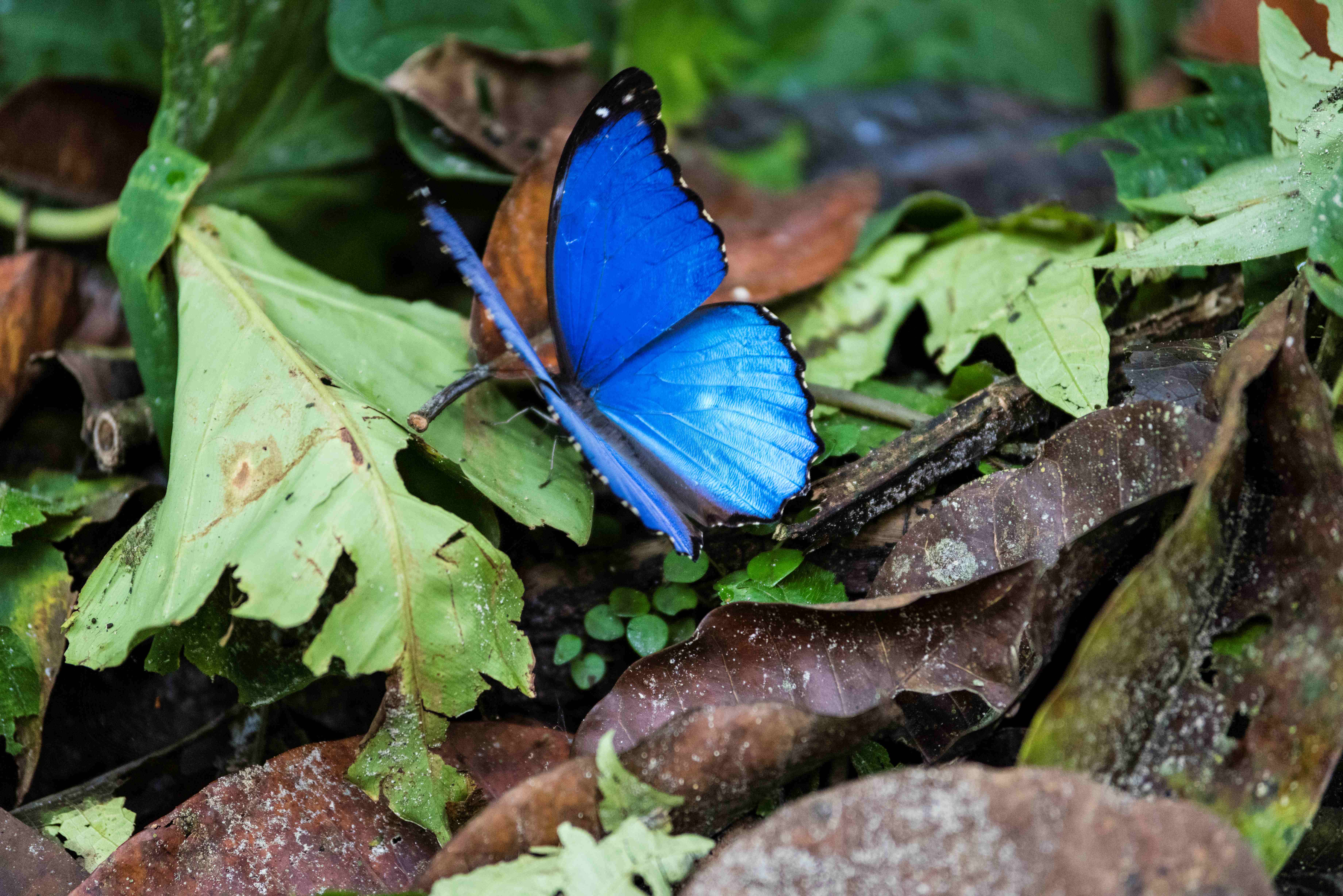
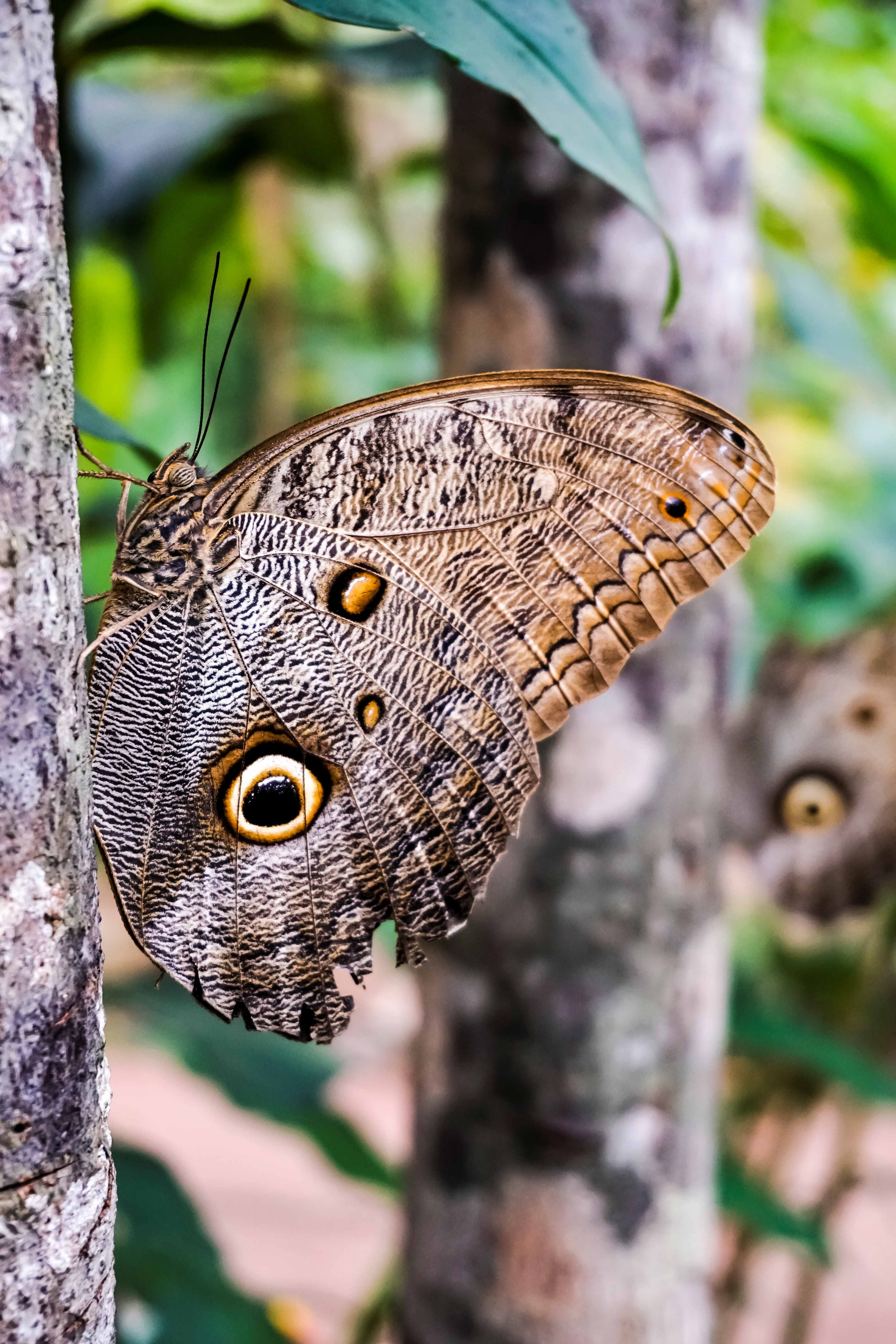
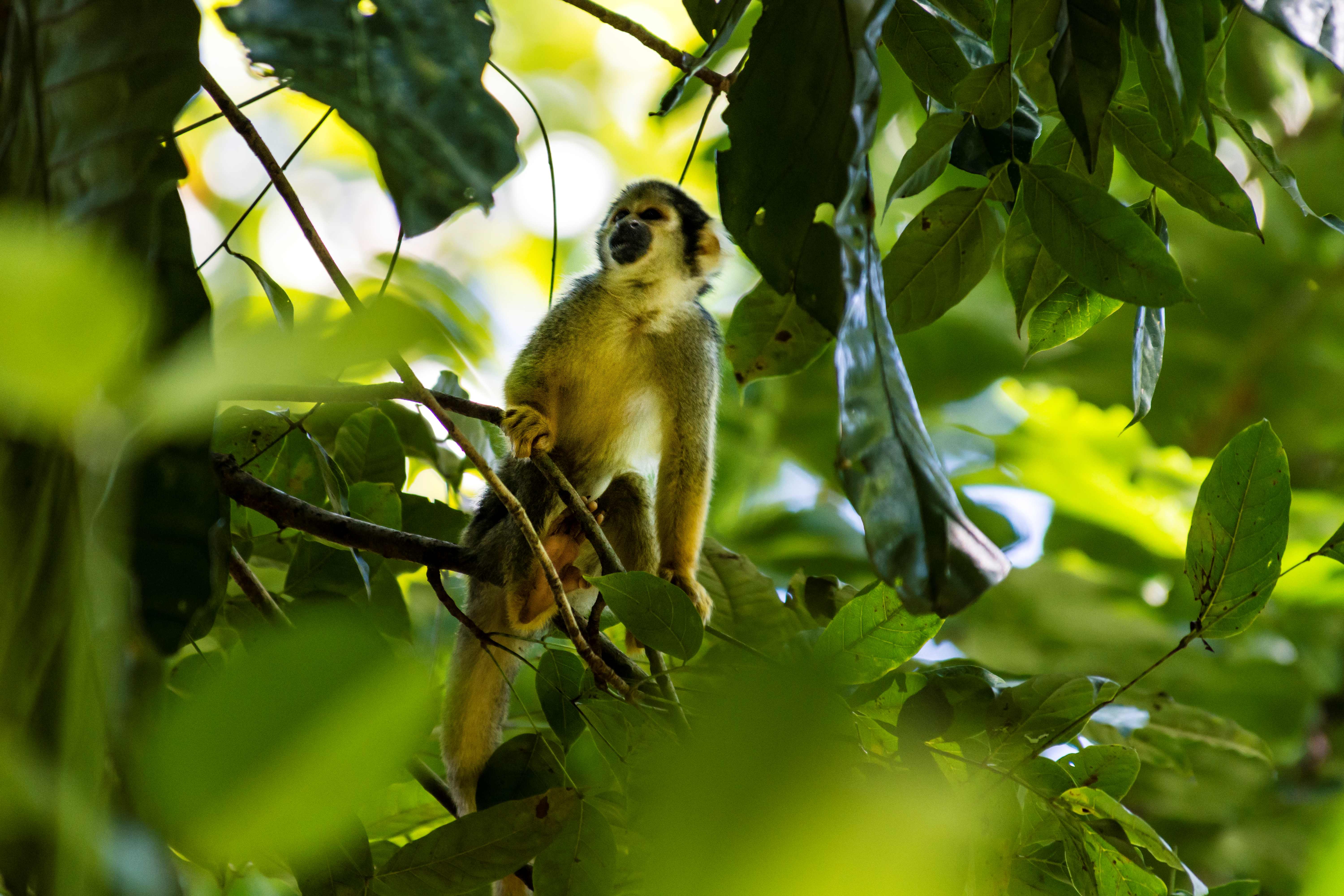
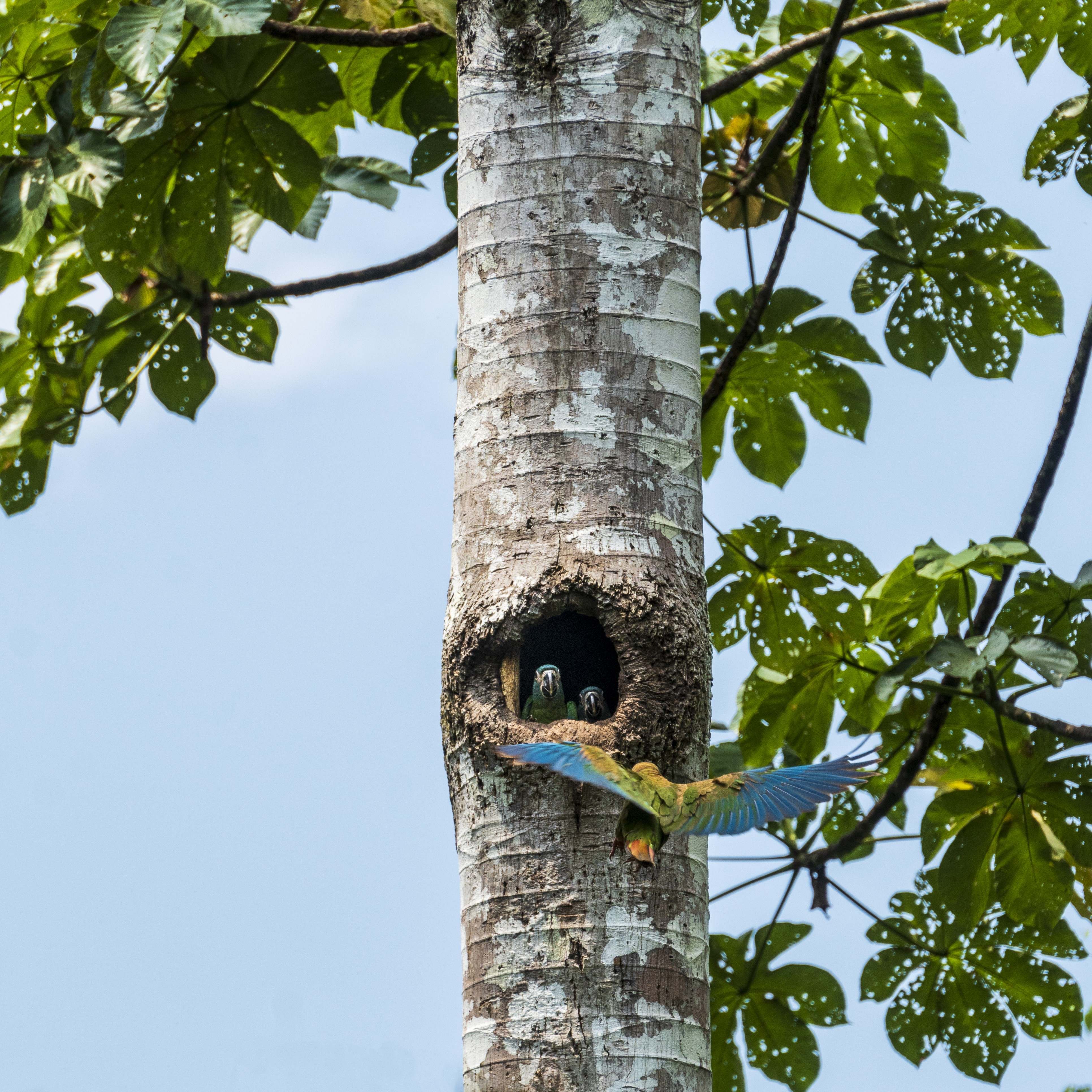
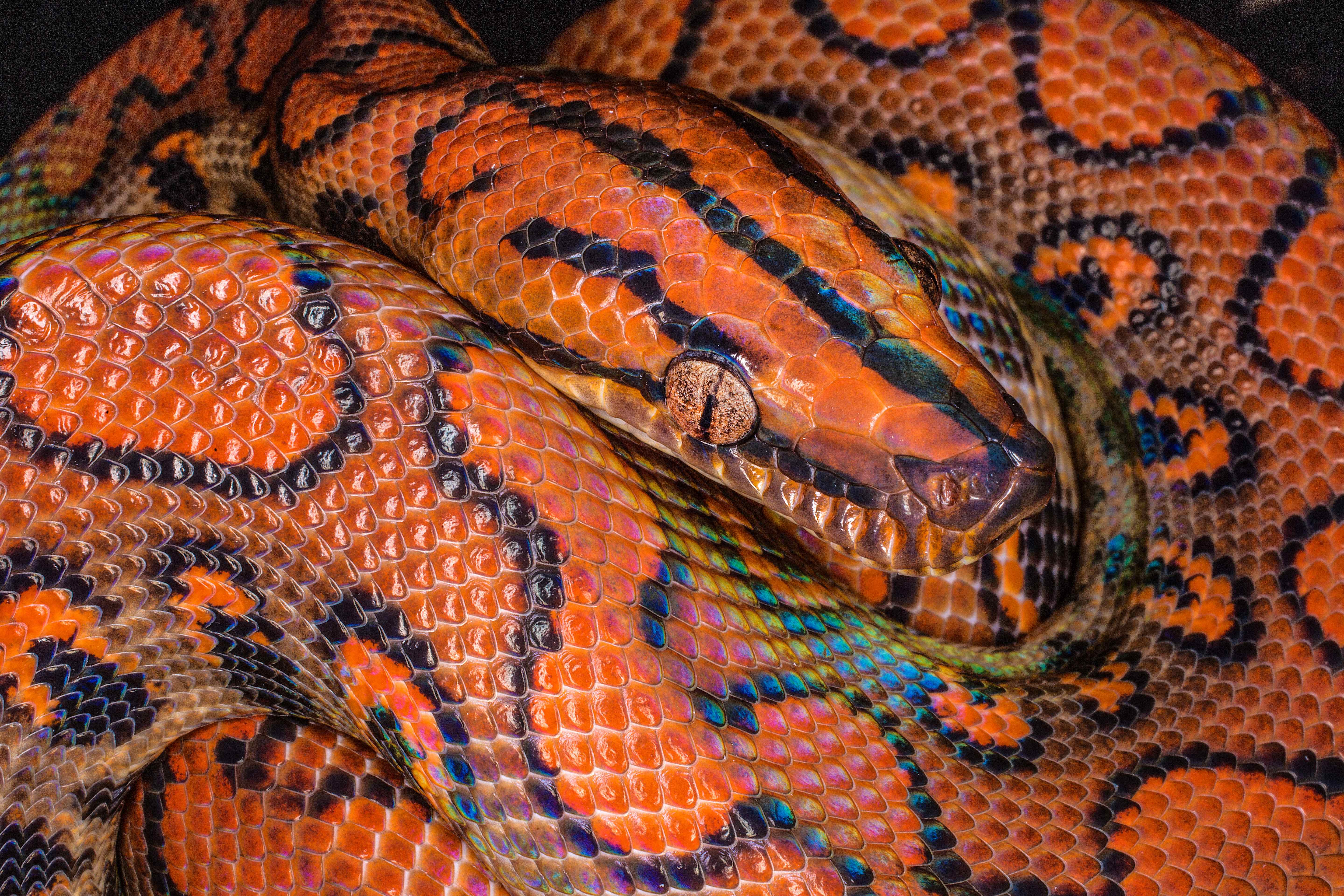
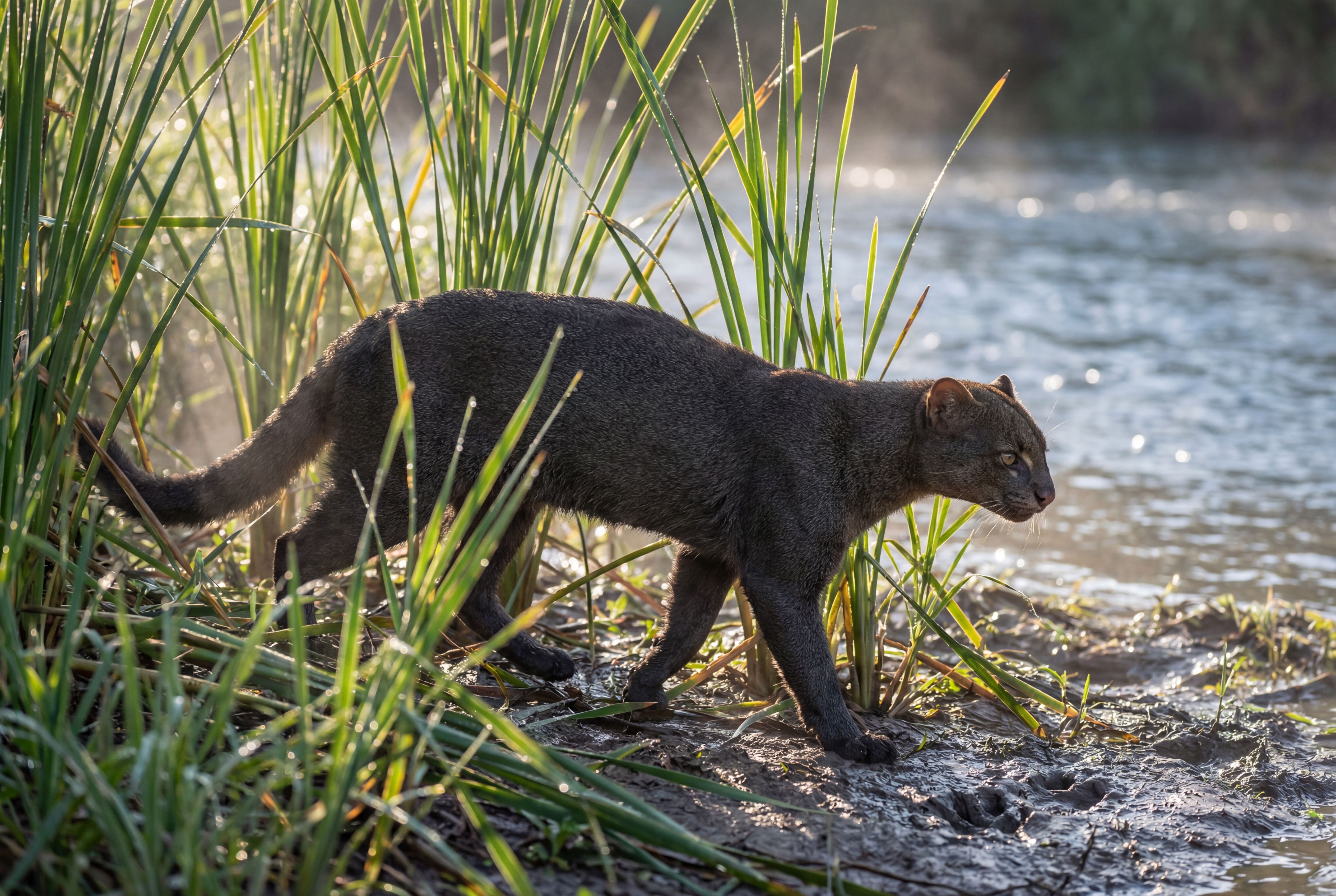
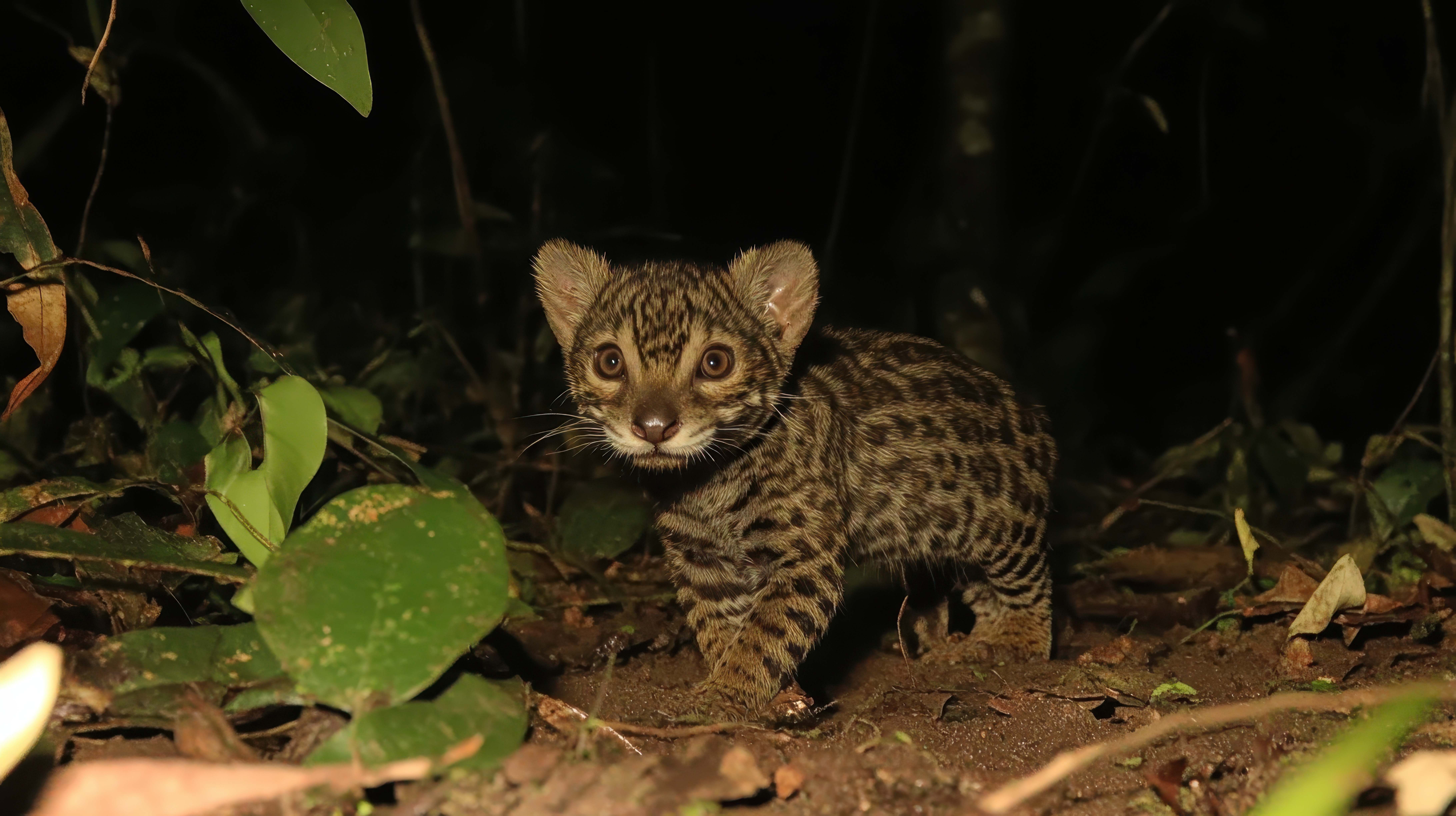
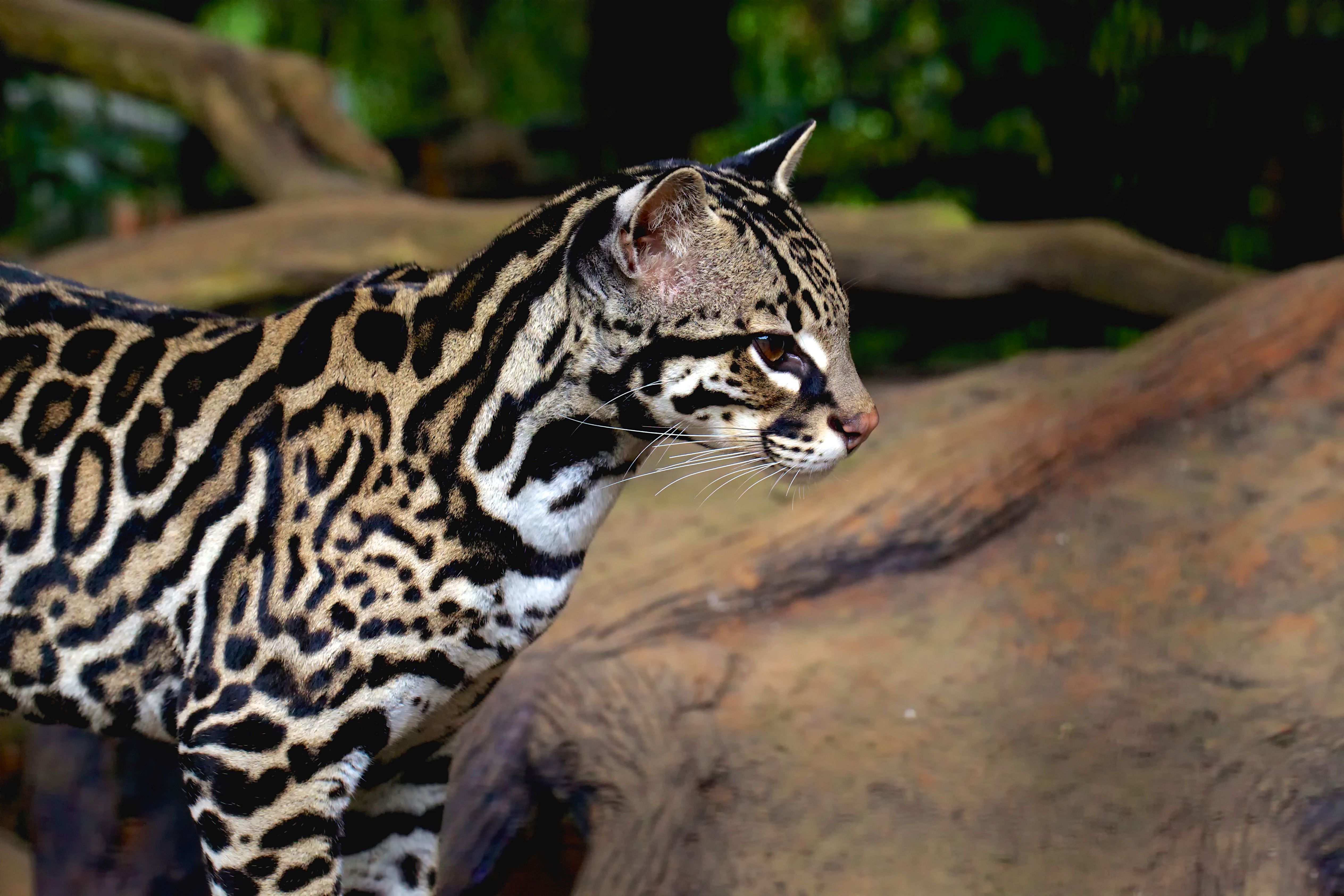
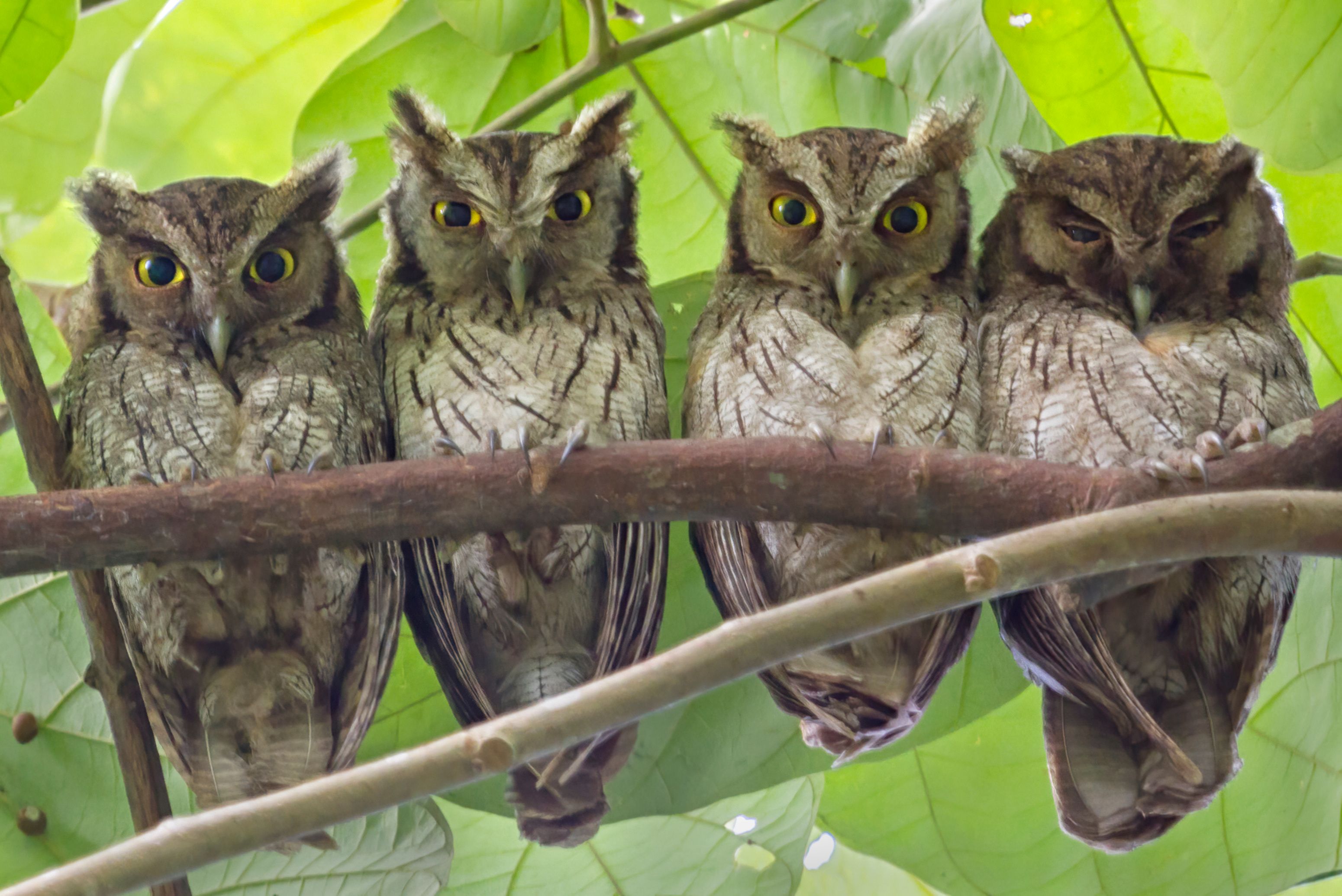
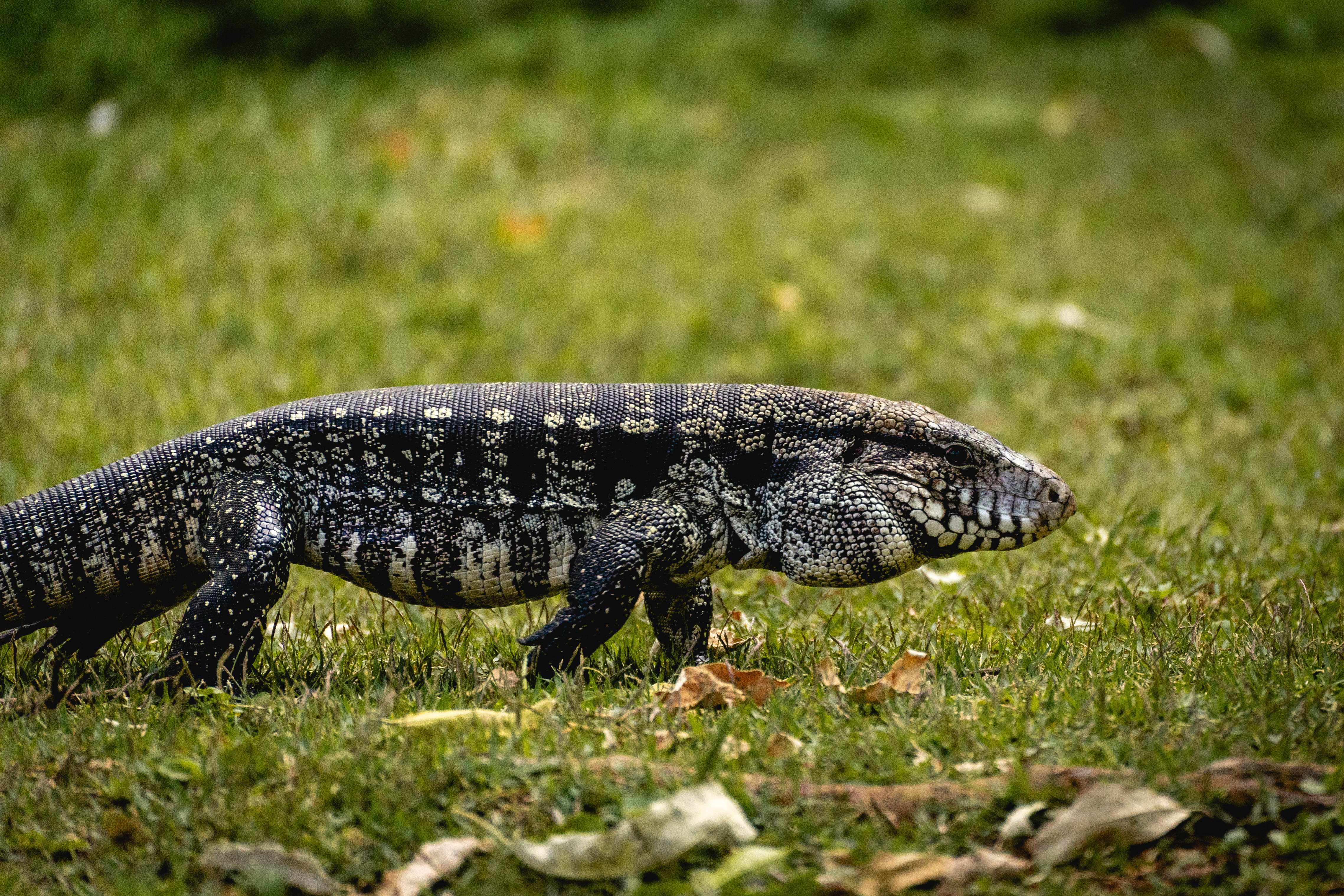
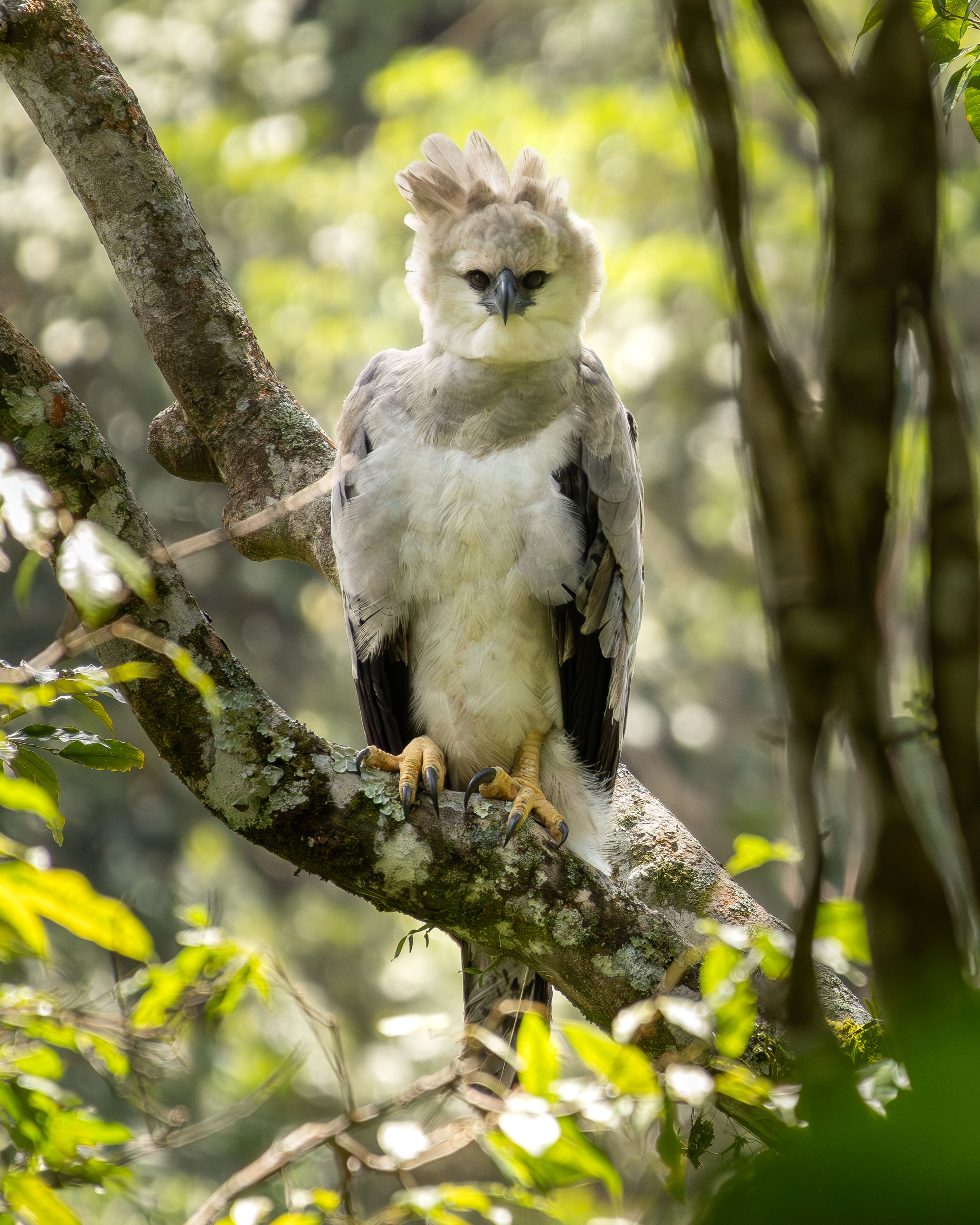
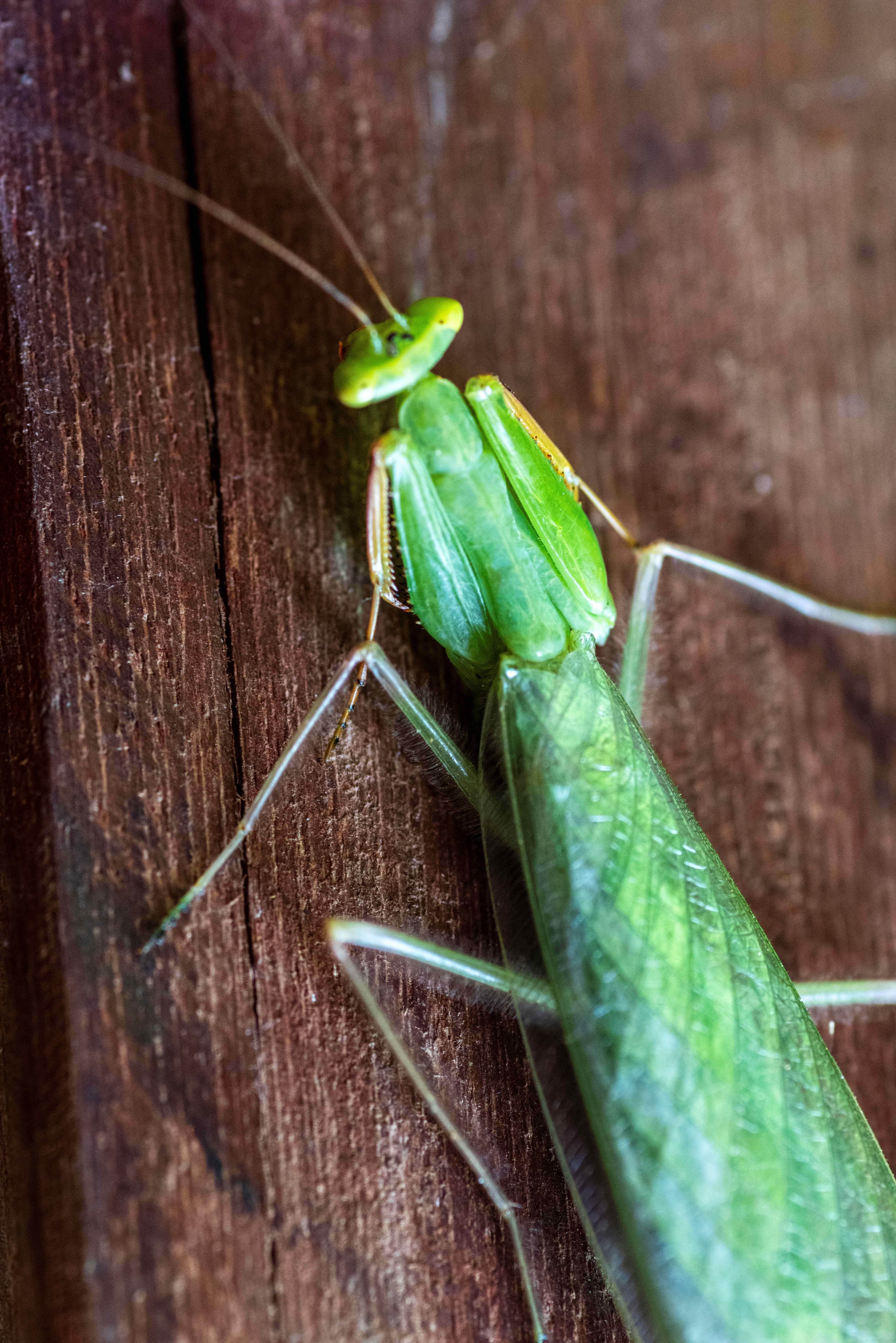
The region is also of great interest to biologists and researchers due to its exceptional biodiversity. Numerous plant and animal species found in Cordillera Azul are endemic to the area, and some observations suggest the possible presence of rare or previously undocumented species. For this reason, the region has also attracted attention from cryptozoologists and independent researchers, although such reports remain largely unverified.
What is certain, however, is that Cordillera Azul represents one of the most pristine and least studied mountain ecosystems in South America. Its vast forests, rivers, and mountainous terrain contribute to the sense that this landscape exists largely beyond the reach of contemporary civilization.